July 9, 2026
Meeting prototype deadlines is crucial for maintaining a competitive advantage in the modern manufacturing landscape. Traditional manufacturing processes often introduce bottlenecks that delay product development cycles. CNC turning services offer robust, automated solutions designed to streamline the prototyping process from initial design to the final physical component. This article explores seven urgent reasons why these services can be a dynamic game-changer in meeting your prototype deadlines efficiently and with unparalleled accuracy.
From speed and efficiency to precision and custom execution, automated manufacturing services encompass a range of benefits that are pivotal in reducing the overall time to market. For businesses striving to stay ahead of the competition, understanding these specific technological advantages is vital. This comprehensive exploration provides deep insights into how automated machining solutions can be seamlessly integrated into your prototyping endeavors to eliminate delays. The result is a faster turnaround that enhances quality and cost-effectiveness across your entire production pipeline.
1. Sourcing From Elite CNC Turning Services
Partnering with a reliable CNC turning supply provider ensures that your manufacturing facility has immediate access to high-grade tooling and cutting inserts. When deadlines are tight, a steady CNC turning supply chain eliminates the sudden stoppages caused by worn-out tools or inadequate materials. This uninterrupted workflow allows engineering teams to move seamlessly from a digital CAD file to a physical part without unexpected downtime. Having an established procurement channel for high-quality components keeps production schedules moving forward efficiently.
Moreover, a reputable CNC turning services partner offers the technical expertise necessary to select the exact tooling required for complex geometries. Choosing the correct tool geometry and coating can significantly reduce cycle times and improve surface finishes on the first run. This expert alignment between material selection and cutting tools prevents early tool wear and part deformation. By prioritizing a stable procurement pipeline, businesses can safeguard their project timelines against market shortages and unexpected supply disruptions.
2. Accelerating Production Through Process Automation
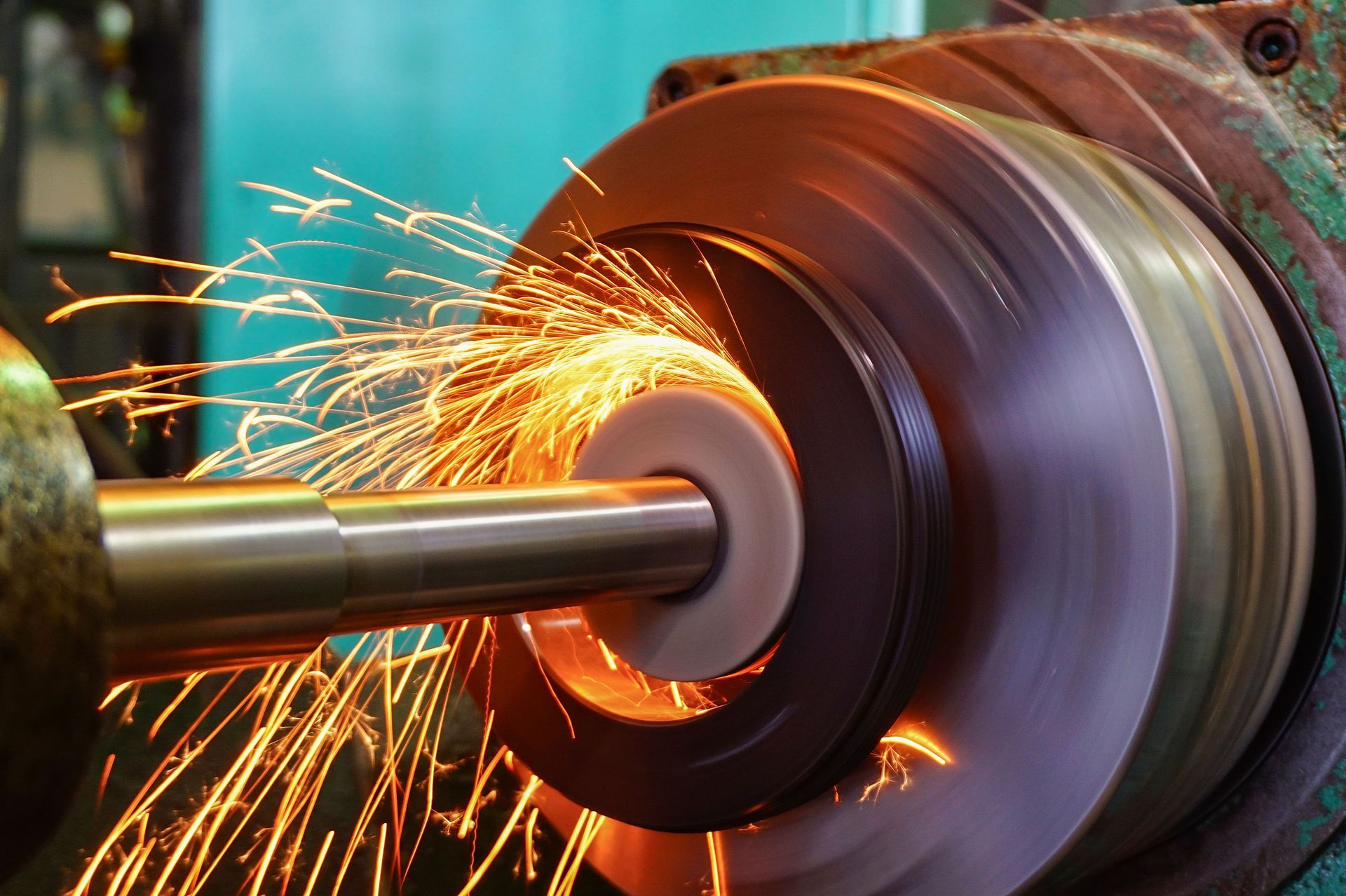
Automated manufacturing systems minimize manual intervention, thereby expediting the entire prototyping process. CNC turning services have machines that operate at rapid speeds and with consistent precision, which drastically reduces the idle time between operations. This is particularly advantageous for prototype development, where multiple design iterations must be completed within tight timelines. Automation ensures that complex prototype orders are completed within predictable schedules, giving businesses a formidable competitive edge.
Furthermore, the reproducibility of automated operations ensures that each part produced meets the required specifications without manual adjustments. This eliminates the need for extensive fitting and manual modifications, which are notoriously time-consuming. The streamlined workflow from design to finished component is essential for meeting urgent project deadlines promptly. In today's market, where product lifecycles are continually shortening, this high level of automated efficiency proves invaluable.
3. Enhancing Precision With Advanced Tooling Systems
Modern manufacturing utilizes advanced software and high-precision cutting tools to deliver components that meet stringent design specifications. For prototypes, where each micrometer is critical to functional testing, this level of exactness is indispensable. The ability to consistently achieve such tight tolerances reduces the variability often associated with manual operations. Consequently, it ensures prototypes are produced correctly the first time, preventing costly errors that delay assembly testing.
Additionally, the use of materials with consistent properties, such as aluminum 6061, which is used in 40% of all CNC projects according to WiFi Talents, enhances the reliability of CNC machining outcomes. This material's predictable behavior under machining conditions contributes to the precision of the final product. The combination of high precision and reliable materials makes advanced turning operations an essential component in achieving prototype success. Such precision engineering not only ensures quality but also accelerates approval stages in development pipelines.
4. Minimizing Material Waste and Production Overheads
Precise computer programming and execution ensure that raw materials are used efficiently, reducing scrap and excess costs. This efficiency is especially valuable for expensive metals and engineering plastics, where waste can significantly impact project budgets. Automated turning optimizes the cutting path to maximize material utilization, ensuring that raw stock is transformed into the final part with minimal left-over debris. This approach aligns perfectly with both corporate cost-saving objectives and modern sustainable manufacturing goals.
The tangible reduction in material waste translates directly to savings on both overhead costs and total production time. By achieving correct dimensions on the first attempt, raw stock is conserved, and manufacturing schedules remain on track. The fewer the errors, the more efficient the shop floor workflow, enabling teams to focus on innovation and design refinement rather than troubleshooting. This efficiency in production is vital for engineering projects where timelines are compressed and expectations are high.
5. Optimizing Quality Control via Real-Time Monitoring
Modern turning centers incorporate real-time monitoring technologies to track tool wear and dimensional accuracy throughout the cutting process. These systems provide immediate feedback on the state of operations, allowing for prompt adjustments before a part falls out of tolerance. This ability to monitor processes in real time ensures that any deviations are quickly rectified, maintaining a smooth workflow. Real-time data helps maintain a constant check on production quality without halting the machine for manual inspections.
With these monitoring systems in place, manufacturers can predict maintenance needs and avoid unexpected machine breakdowns during critical production runs. Proactive maintenance schedules can be established based on data insights, extending machine life and reliability. The result is uninterrupted CNC turning services that optimize both time and factory resources.
6. Streamlining Workflows with Software Integration
The integration of computer-aided design and manufacturing software streamlines the transition from a digital concept to a physical part. This seamless digital thread minimizes the chance of data translation errors that often lead to manufacturing delays and extensive rework. These advanced software tools facilitate direct communication between design engineers and machinists, ensuring smooth handovers. In rapidly changing project environments, such software agility is vital to keep complex prototype schedules on track.
These software advancements also facilitate continuous refinement through rapid digital feedback loops, enabling swift prototyping and testing phases. Adjustments that once took days to program can now be completed in a matter of minutes through software parameter updates. The capability of making quick design iterations fosters innovation, allowing engineering teams to experiment with various solutions safely. The sophisticated software systems supporting modern turning centers ensure that time is not a limiting factor in development.
7. Reducing Human Error to Maximize Processing Speed
Automated manufacturing systems follow precise programming instructions, eliminating most variations caused by manual handling and operator fatigue. Human error is a common source of workshop delays, often necessitating sudden adjustments and unexpected component remakes. By limiting the need for manual intervention during the cutting phase, automation ensures consistent and rapid outcomes.
Furthermore, a lower rate of human errors means less scrap material and fewer disruptions to address on the factory floor. With fewer mistakes to correct, the manufacturing workflow remains smooth and completely uninterrupted from start to finish. This high reliability is crucial when working under stringent deadlines, as it ensures steady progress toward product validation.
Integrating advanced machining services into your product development pipeline is the most effective way to protect your schedule from unexpected delays. The combination of automation, high-precision capabilities, and advanced software integration provides an efficient pathway from digital design to physical prototype. By leveraging these advanced manufacturing solutions, businesses can significantly reduce their time to market while maintaining the highest quality standards.
To maintain this high level of manufacturing efficiency, securing a dependable
CNC turning services company is essential for your long-term success. Having immediate access to the right tools and materials ensures your production line never stalls during critical development phases. Now is the time to optimize your manufacturing pipeline and eliminate prototyping bottlenecks before they impact your next product launch. Contact Rochester Precision Machine today to secure your manufacturing assets and discover how our advanced production capabilities can accelerate your next project.