June 11, 2026
The journey from a digital concept to a tangible, high-performance component requires exceptional manufacturing accuracy. Raw blocks of metal and plastic cannot simply be shaped by hand when modern industries demand microscopic tolerances. This is where advanced manufacturing steps in, where CNC turning reshapes raw materials into critical, high-precision assets.
Unveiling the Primary Turning Mechanics
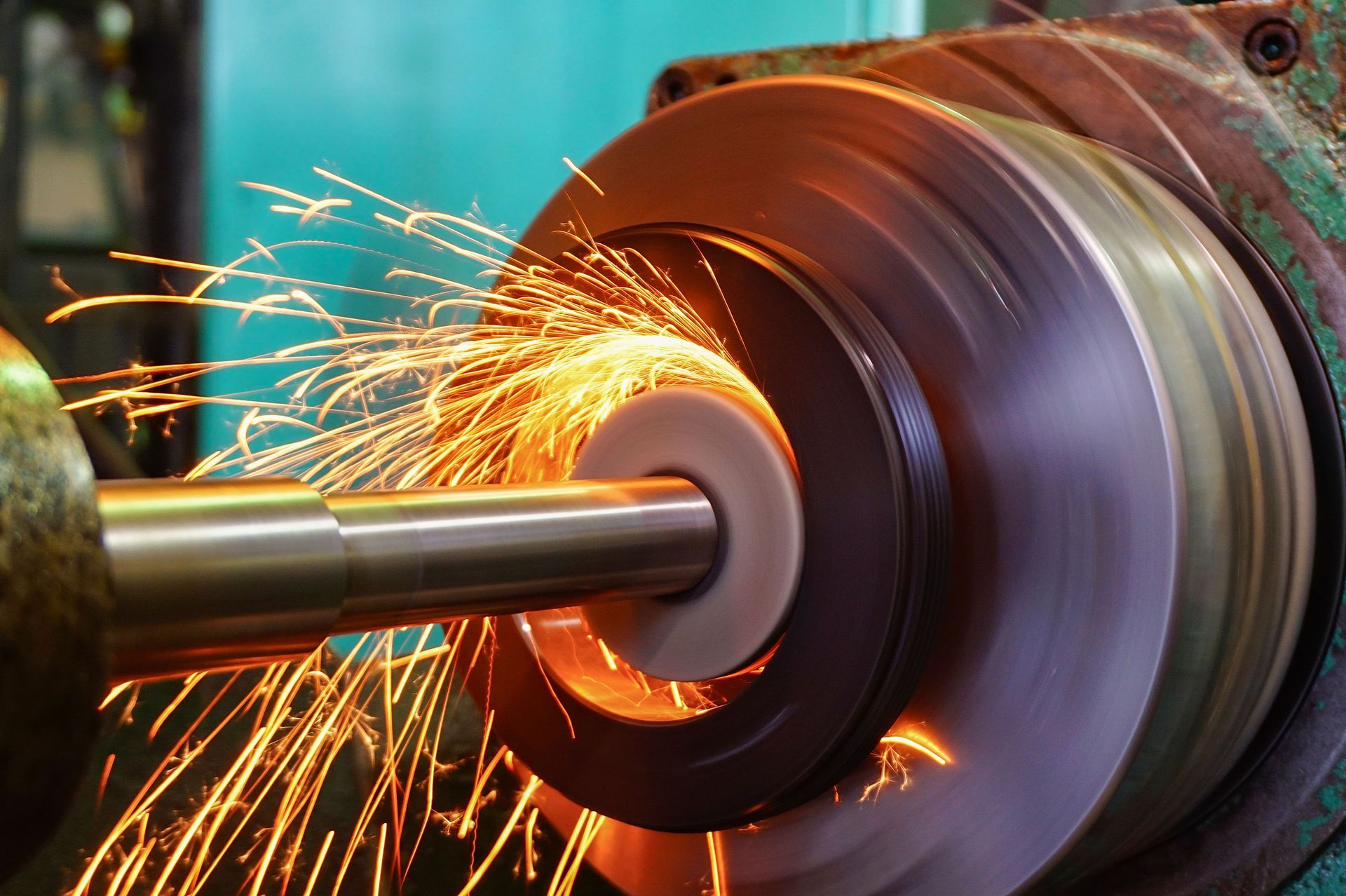
The core of this manufacturing process relies on rotating a raw workpiece at high speeds while stationary cutting tools subtract material. Unlike milling, where the cutting tool spins, CNC turning keeps the material in motion to create perfectly symmetrical cylindrical shapes. Operators program specific pathways into the computer interface, dictating exactly how deep and fast the tool will cut into the spinning stock.
This specific configuration allows for incredible structural stability during the cutting process. By firmly gripping the raw material in a chuck, the machinery minimizes vibrations that could otherwise ruin a delicate surface finish. The continuous contact between the cutting edge and the rotating workpiece results in remarkably smooth profiles that traditional manual methods could never replicate.
As the program executes, the machinery chips away at the excess block until the desired geometry emerges from the enclosure. This fundamental technique serves as the backbone for creating everything from simple fasteners to incredibly complex shafts used in heavy machinery. It represents the perfect marriage between raw mechanical force and digital software guidance.
Achieving Unmatched Dimensional Tolerances
Precision is not merely a goal in modern manufacturing; it is a strict requirement for safety and functionality. Utilizing computer numerical control allows machinists to achieve dimensions accurate to a fraction of a human hair. Every single movement is dictated by digital code, eliminating human variance and stabilizing production consistency across thousands of identical units.
When components must fit together in tight assemblies, even a microscopic deviation can cause catastrophic system failures. The rigid construction of these automated lathes prevents tool deflection, keeping cuts uniform from the first piece to the final part of a production run. This extreme predictability makes the process invaluable for sectors that cannot afford a single millimeter of error.
According to WiFiTalents, automotive represents the largest consumer of CNC turning at 32%, followed by aerospace, medical devices, and defense. These industries rely heavily on the repeatable accuracy delivered by automated subtraction. Because the digital blueprint guides every tool path, the final physical product matches the engineering file perfectly every single time.
Maximizing Material Utilization Efficiencies
Efficient production requires a careful balance between resource consumption and swift execution speeds. Advanced software calculates the most optimal paths for the cutting tools, reducing waste and decreasing overall cycle times. By maximizing the amount of usable material extracted from a single workpiece, production lines run much more sustainably.
Different materials require distinct cutting speeds, specialized coolant applications, and unique tool geometries to prevent tearing or overheating. Whether shaping aerospace-grade titanium or specialized industrial plastics, the automated system adjusts parameters instantly to maintain optimal cutting conditions. This adaptability prevents unnecessary wear on the machinery while preserving the integrity of the material.
By streamlining the material removal process, factories can handle high-volume production without experiencing bottlenecks or excessive scrap rates. The precision programming allows for nesting techniques and efficient stock utilization that drastically lowers raw material overhead. Every cut is deliberate, planned, and executed with minimal environmental or physical waste.
Navigating Intricate Geometric Complexities
Modern engineering blueprints often feature highly complex geometries, including deep grooves, precise tapers, and internal threads. Standard manufacturing methods often struggle with these intricate shapes, but CNC turning handles them with remarkable ease. Multi-axis machinery can manipulate both the tool and the workpiece simultaneously to achieve highly sophisticated contours.
Internal boring operations allow the machinery to hollow out solid cylinders, creating perfectly centered internal diameters with flawless surface finishes. External threading tools can chase precise pitches along a shaft, allowing the finished component to thread smoothly into its mating part. These diverse capabilities mean that multiple design features can be completed in a single setup.
Minimizing the need to move a part between different machines reduces the risk of alignment errors. When a workpiece remains clamped in one position, all subsequent cuts maintain perfect balance with the original axis. This capability allows engineers to design highly creative, multi-functional parts without worrying if the machinery can actually produce them.
Elevating Surface Finish Standards
The functionality of a precision component often depends heavily on the quality of its exterior surface texture. Rough surfaces cause friction, accelerate component wear, and lead to premature failure in mechanical assemblies. Automated turning achieves exceptionally low roughness averages, often eliminating the need for secondary manual polishing or grinding operations.
By controlling the feed rate and spindle speed down to exact increments, the machinery creates a uniform finish across the entire part. Specialized diamond-tipped or carbide tools glide across the rotating material, leaving behind a pristine sheen that meets strict industrial specifications. This consistent texture is vital for parts that require tight seals or smooth rotational movement.
Ultimately, a superior surface finish improves the longevity and performance of the component in real-world applications. When friction is minimized, mechanical systems operate cooler and use less energy over their operational lifespans. The immaculate finish achieved inside the machine enclosure validates the careful engineering that went into the initial design phase.
Embracing Advanced Automation Workflows
The integration of live tooling has expanded the capabilities of traditional lathes even further. Modern service providers utilize turning centers equipped with rotating cross-drills and mill-heads that operate on the part while it remains in the chuck. This means a component can be turned, drilled, slotted, and tapped without ever leaving the primary workspace.
This continuous workflow drastically reduces lead times and minimizes the physical handling of sensitive components. Automation software manages the transition between tools seamlessly, swapping cutters in a carousel in a matter of seconds. The resulting reduction in labor requirements allows production facilities to maintain steady, predictable output schedules around the clock.
As digital design files become more detailed, the software that translates these models into machine instructions grows equally sophisticated. Modern CNC turning operations leverage these digital advancements to shorten the timeline from conceptual drafting to final part delivery. The result is a highly agile manufacturing ecosystem capable of adapting to rapidly changing engineering demands.
Cultivating Multi-Industry Adaptability
Virtually every modern convenience relies on components shaped by automated rotational manufacturing. From the minor fasteners inside a smartphone to the massive drive shafts powering industrial ships, CNC turning plays an invisible but vital role. The adaptability of the process means it can pivot from producing heavy-duty steel components to delicate medical implants effortlessly.
In fields where components are subjected to extreme pressures or corrosive environments, material integrity cannot be compromised. The controlled cutting process avoids introducing thermal stress into the workpiece, preserving the natural strength of the metal or polymer. This careful handling is why high-stakes industries rely on automated turning for their critical structural elements.
As technology progresses, the demands placed on mechanical components will only become more stringent. The flexibility of computerized manufacturing ensures that facilities can meet these future challenges head-on. By continuously upgrading software and tooling, the production landscape remains perfectly aligned with the cutting edge of global engineering design.
Transforming a rough design into a precision masterpiece is an objective science driven by digital accuracy. By removing human error from the cutting equation, automated manufacturing elevates raw materials into highly specialized instruments of modern progress. Through careful calibration and robust engineering, CNC turning continues to shape the physical world with absolute geometric perfection. Partner with Rochester Precision Machine to bring your most demanding designs to life with flawless mechanical accuracy.